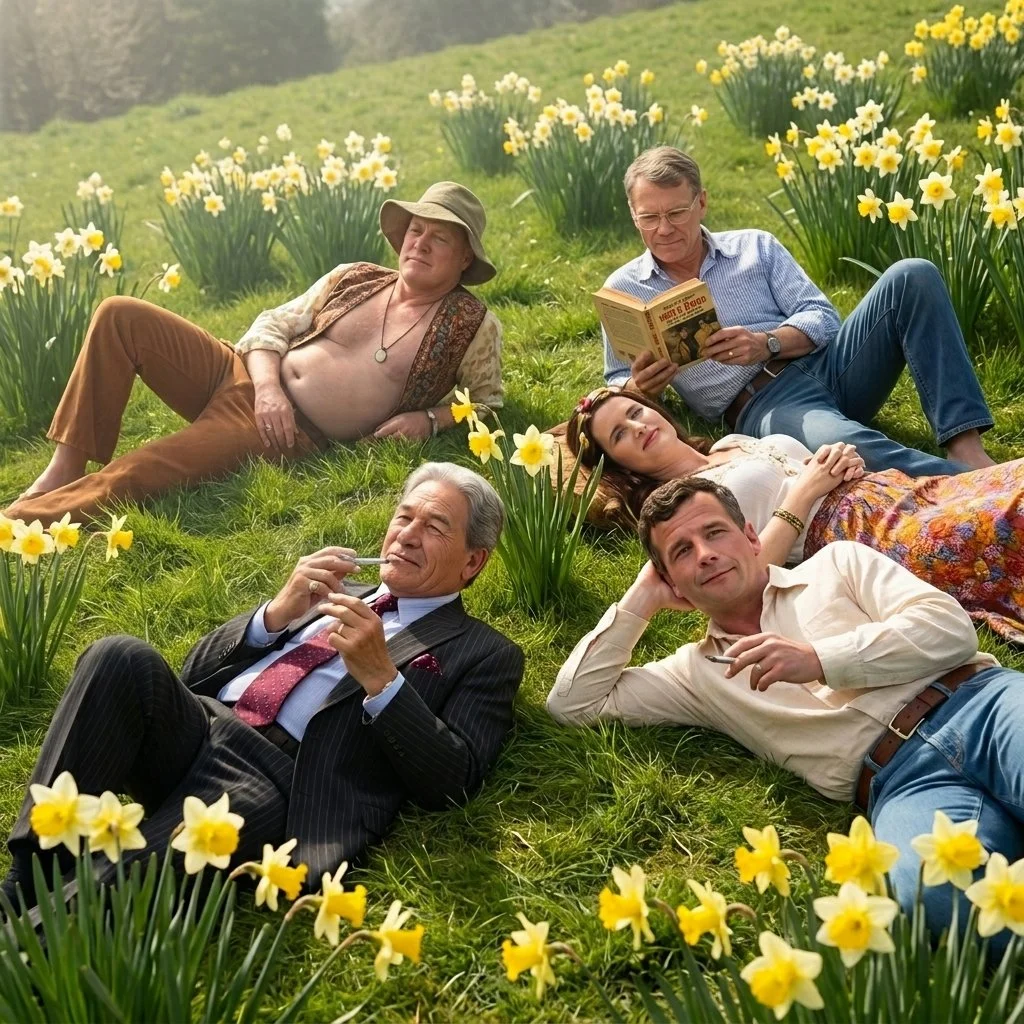
The pause is the point
One of the things I enjoy most about an election campaign is how calm government becomes. Parliament has risen. Ministers put off big decisions. Once the votes are counted, the caretaker convention applies until a new government is formed. Officials keep the services running, and nothing falls over. Without the bickering and theatre of daily politics, the world keeps turning. Things work. People get by.
Politicians and the media treat this period as an irritating delay before the “real” business resumes. When Justice Minister Paul Goldsmith pushed to end election-day enrolment, much of the motivation was impatience. He wanted the results counted faster so the new government could get back to work.
But what if this calm is closer to good government than the frenzy on either side of it?
The Great Dissonance: We don’t like small parties, so why do we keep voting for them?
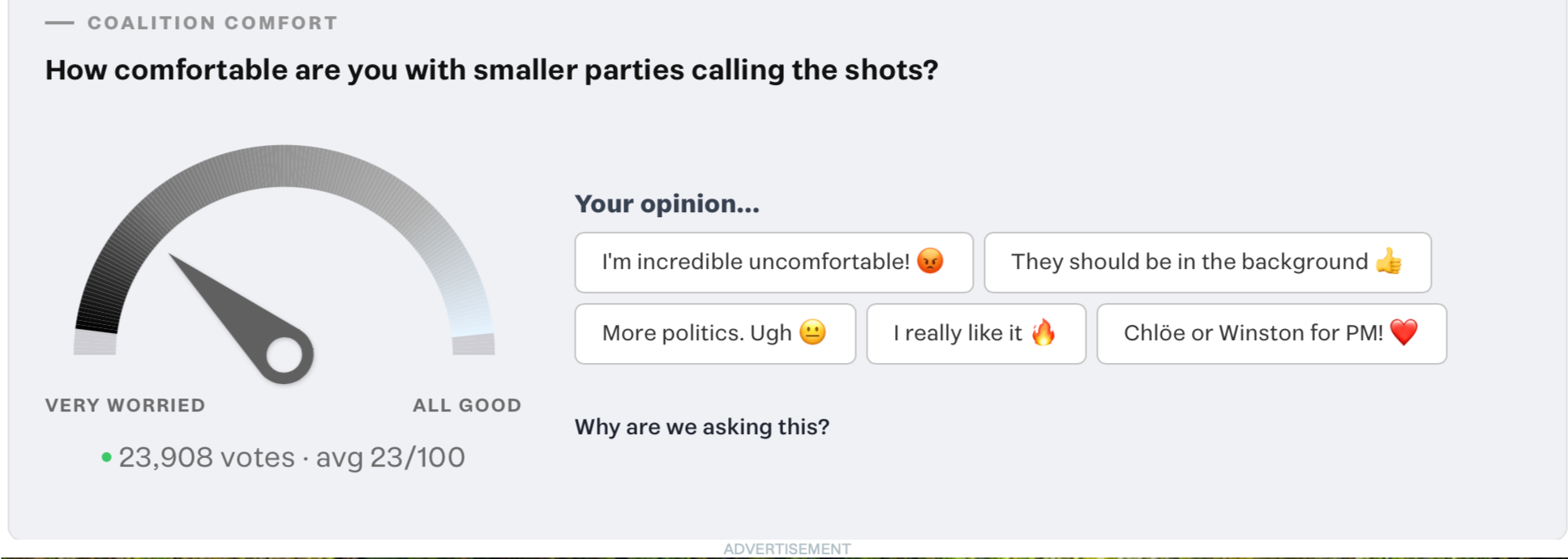
Most voters in a recent Stuff snap poll said they're uncomfortable with small parties calling the shots. Yet small parties are polling at levels never seen under MMP. How can both be true?
It's a classic case of cognitive dissonance, and how we dodge it. We dislike other voters' small parties, but see our own as the cure. So the contradiction never feels like ours to resolve.
Usually the contradiction stays hidden. This election, Harry Mowbray's Split Your Vote campaign asks National supporters to "swallow a rat": electorate vote National, party vote ACT or NZ First. In other words, to manufacture the very outcome many of them fear.
Can National voters keep swallowing rats without ceasing to be National voters? And can fiscal conservatives live with engineering a bigger Parliament at the taxpayer’s expense?
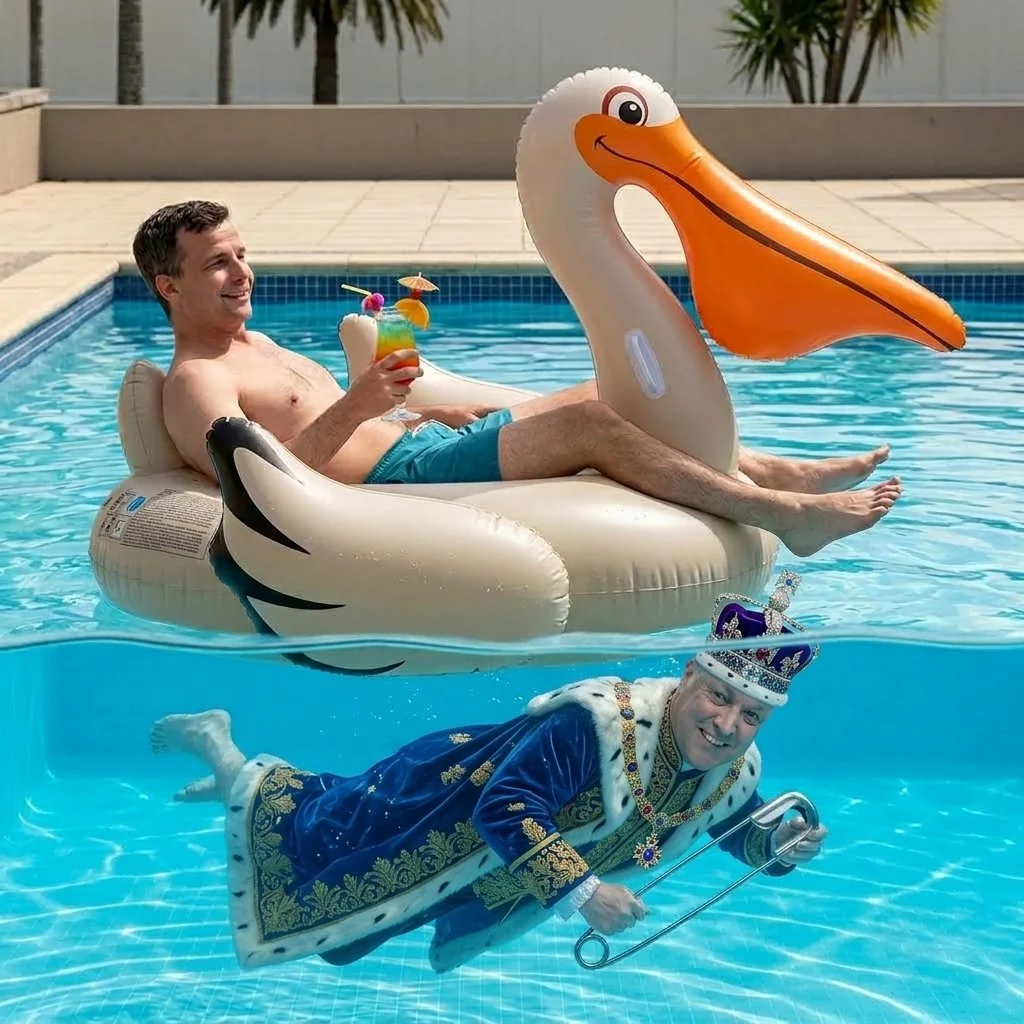
Why ACT is in trouble
Is a protest vote for ACT a luxury centre-right voters can’t afford in the tightest major party race in NZ’s MMP history?
With National and Labour running neck and neck, disaffected right-leaning voters face a stark choice: peeling off to ACT might actually put Labour in pole position to form the next government. If there is no National to lead, there is no government for ACT to steer right.
In my latest column, I break down:
Why the Act vote is likely to fall away as election day nears and centre right voters focus on the main prize
Why ACT’s retreat into Treaty politics is simply to capture one percent of its vote
Why tactical voting proposals urging National supporters to split their party vote to ACT or NZ First are flawed and self-defeating.
My advice to a strategic voter is – don't.
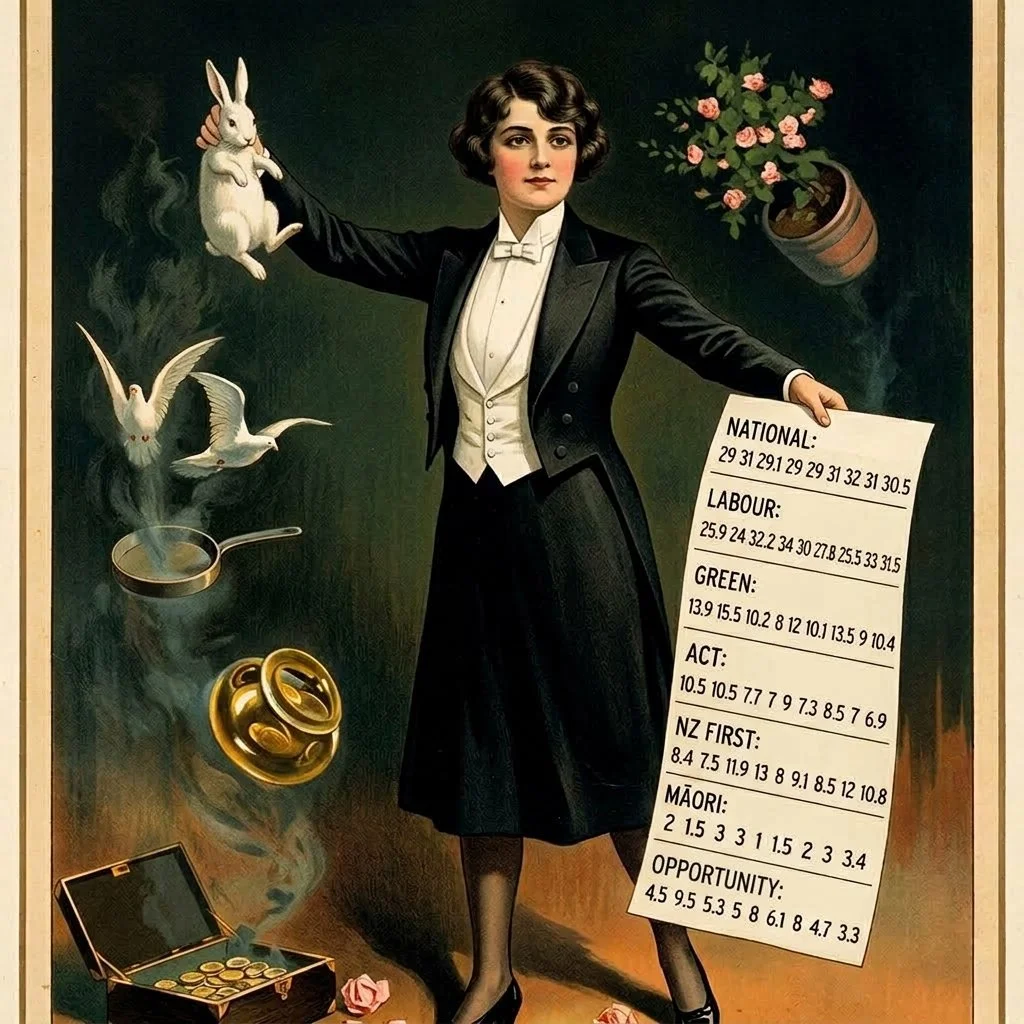
In this latest column, I break down why late deciders (the 40% of voters making up their minds right now) shouldn't let polling headlines dictate their vote, and why, when a 3.1% margin of error creates a 6-point margin of reality, trying to calculate tactical moves around the 5% threshold or coalition majorities is nothing more than a game of chance.
If you haven’t yet made your mind up which party to vote for, my advice is to ditch the polling algorithms and return to good old-fashioned analogue criteria. These are listed at the end of the column.
You don't need a pollster to tell you how to cast a pivotal vote. You just need to know what you want. It’s not that complicated.
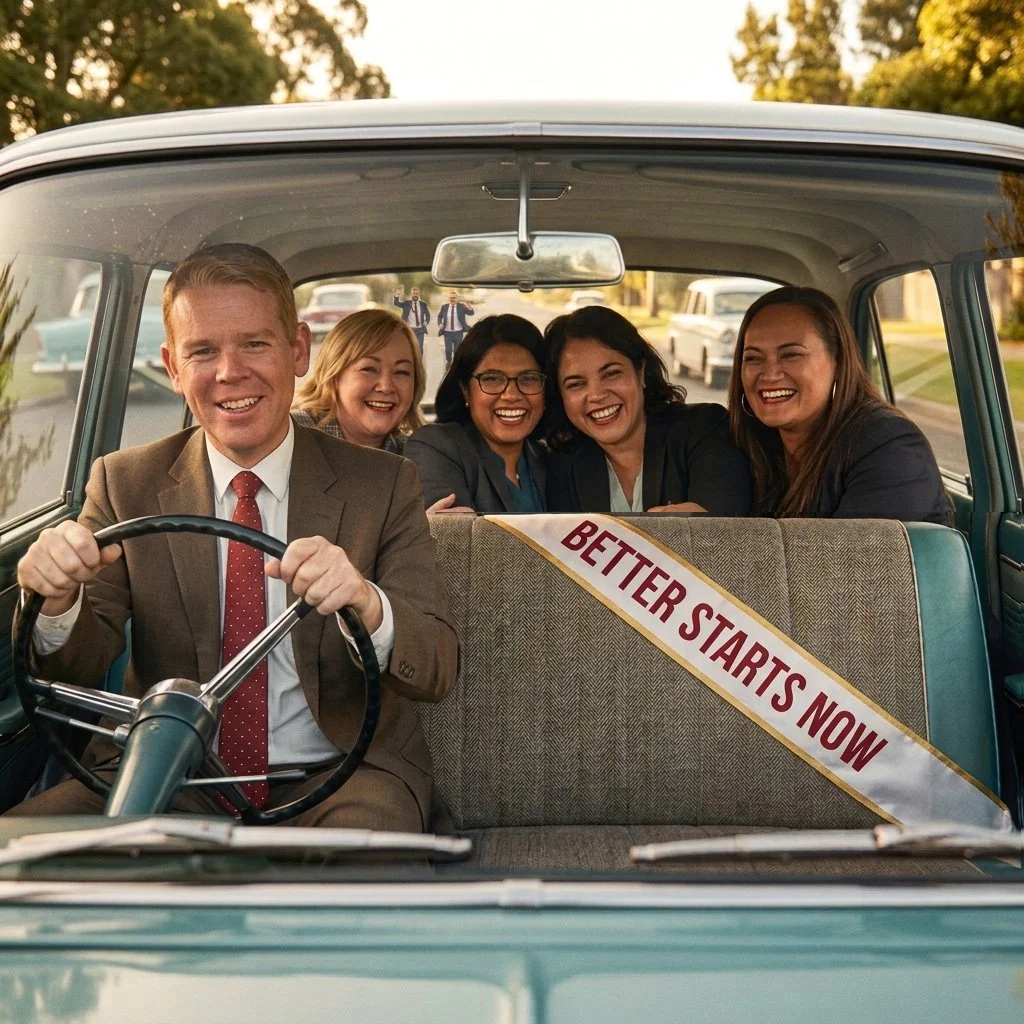
Labour's real problem isn't policy. It's men.
The Roy Morgan poll shows women swinging behind Labour and the other opposition parties and men staying firmly with the National-led coalition. That gap, not any missing policy, may decide whether Labour gets to form the next government.
Part of the reason is that a majority of men haven't felt this government's rollbacks the way women and Māori have. Without that burning grievance, why take a risk on change?
My new column looks at why retrospective voting explains Labour's cautious strategy, asks whether there’s anything Labour can do in the next nine weeks to persuade men that they will be better off taking a risk on change, and points to why two of Labour's sharpest men might not be positioned to fix the gap.
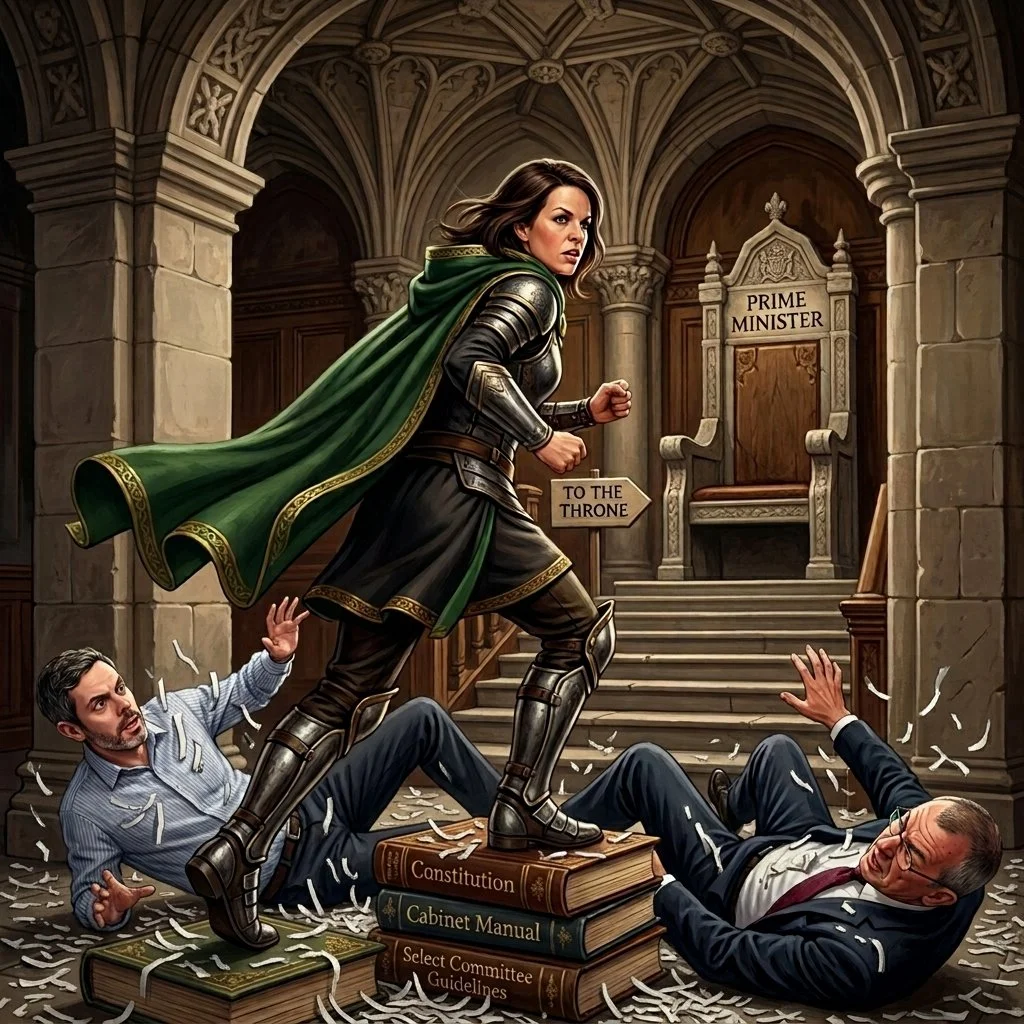
The Blame Game: There’s rot alright, but not where Erica Stanford says it is
I’m definitely swimming against the media tide in this week’s column. But someone has to defend a public service that is muted from speaking up for itself. Especially when those who are piling on against MBIE CEO Nic Blakeley are missing the real story, which isn't about administrative ineptitude. It's a story about a constitutional bind.
Under section 3.91 of the Cabinet Manual, officials are subject to ministerial direction when giving evidence to select committees. When Blakeley and Alison McDonald appeared before Parliament in March 2026, they were caught in an impossible situation: protect their Minister from finding out a $35 million IT project had collapsed via a public hearing, or tell the unvarnished truth to MPs first.
They chose to protect their Minister. And how did Minister Erica Stanford reward that long-standing public service convention?
Driven by ambition and an eye on the Prime Minister's job, she publicly threw her own department under the bus to project ministerial toughness, handing MPs on both sides of the divide a green light to take down her own CEO.
Select committees can't have it both ways. They cannot demand absolute truth from officials while allowing Ministers to use officials as a political firewall.
Stanford has claimed there is a rot inside MBIE. But if there is genuine rot in Wellington, it isn't inside MBIE's poor internal governance processes (though that could do with significant improvement). It's in a political system that abandons constitutional convention and the Cabinet Manual the moment it becomes inconvenient for an ambitious Minister, and the inability of public servants to defend themselves and tell the unvarnished truth.
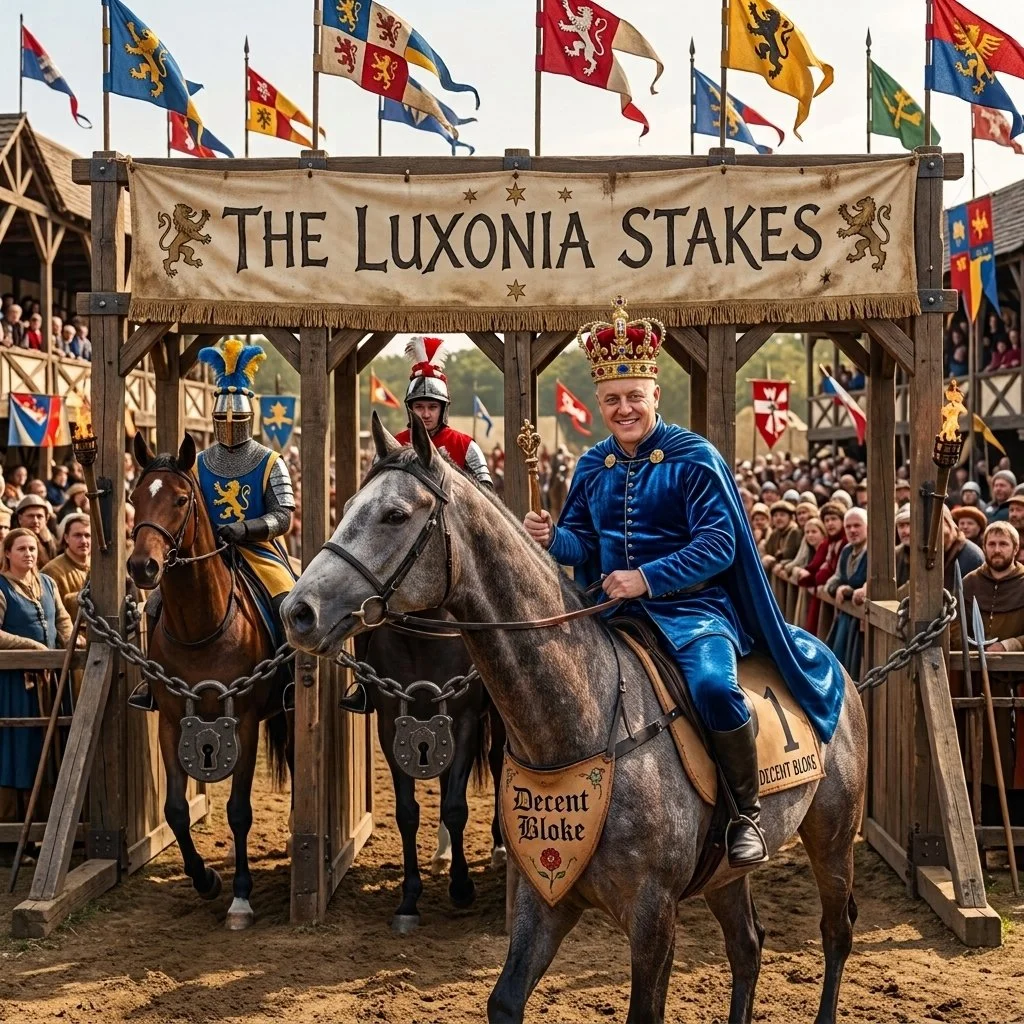
The obstacle is the way out
It looks like there will be no further talk about National leadership between now and the election. That race meet has been abandoned. But when the election campaign is dissected after 7 November, the National caucus will need to take a good hard look at why, whether by choice or by coercion, they picked risking losing the election over rolling a decent man. Read the full analysis here:
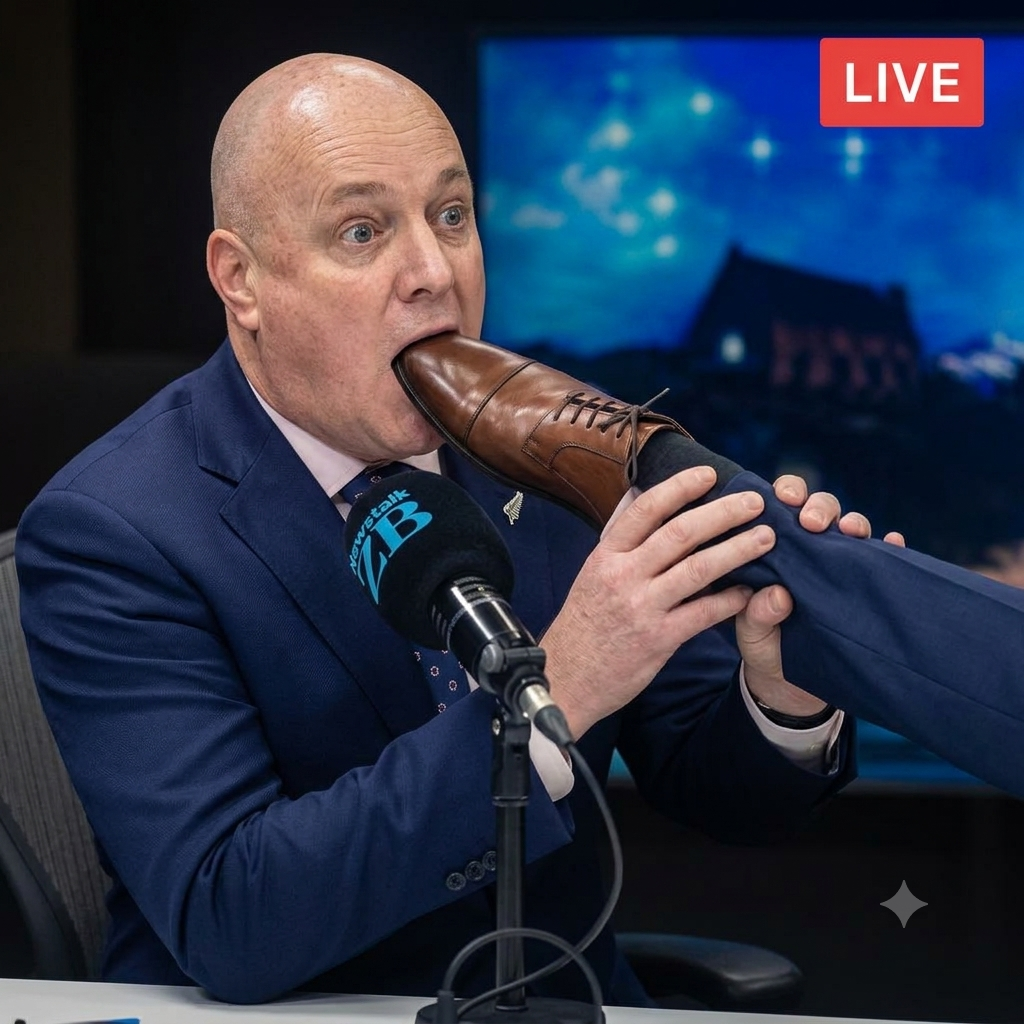
Thursday 6 August 2026: A tale of two leaders
Thursday 6 August 2026: a tale of two National leaders. One trekked up a Wellington hillside and delivered a clean good-news story without putting a foot wrong. The other sabotaged the day with an off-the-cuff vow to ‘check in constitutionally’ on MMP.
Christopher Luxon may have thought the word made him sound informed. It did the opposite. There is no such thing as a constitutional check-in. Constitutions exist to protect citizens from random unformed thoughts by Prime Ministers putting their foot in their mouth in a radio podcast.
Erica Stanford was never going to fumble her new secondary school subject announcement and Nicola Willis knew it. Her normally grimacing face beaming with relief in every still from Mākara.
Read why 6 August may be remembered less for Luxon's gaffe than for the day it accelerated Stanford's rise.
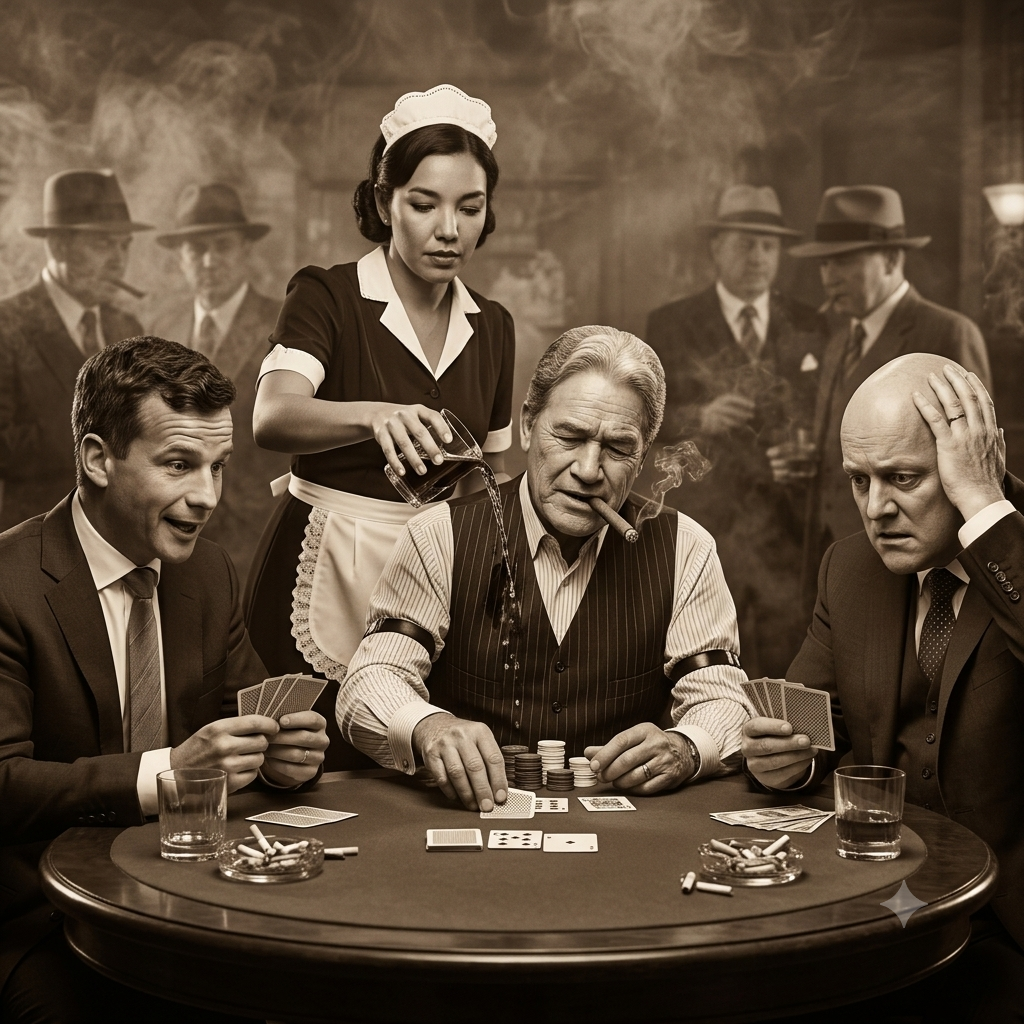
Backroom Bargain?
People are asking whether a vote for Opportunity is really a vote for a Labour-led government, now that Luxon has ruled them out.
Their concern assumes the only way to govern is a majority stitched together from major-plus-minors. But that's the most atypical arrangement MMP has produced. Minority government is more the norm. Helen Clark and John Key both ran successful versions of it, both produced legislation that lasted and both held above 40 per cent of the vote.
MMP was never meant to produce a government like the current one – assembled in a ‘smoke-filled’ backroom trade where political power was exchanged for an off-the-shelf policy agenda that had never been put through transparent cost-benefit analysis or parliamentary debate. The result has been a coalition wielding as much unbridled executive power as Muldoon held in the 1970s, and Parliament relegated to rubber-stamping policies mandated by a very thin slice of the electorate. None of this is what the Royal Commission that gave us MMP intended.
I’m anticipating that both major party leaders will have taken lessons from this experience and will seek to return to a minority government arrangement after the election. In this context, my advice to those weighing a vote for any party, not just Opportunity, is to vote for whichever you believe will influence better policy making. But don't do it to engineer or avoid a coalition combination as there are many scenarios yet to unfold. Under MMP, your vote only shapes the composition of Parliament – not the formation of government.
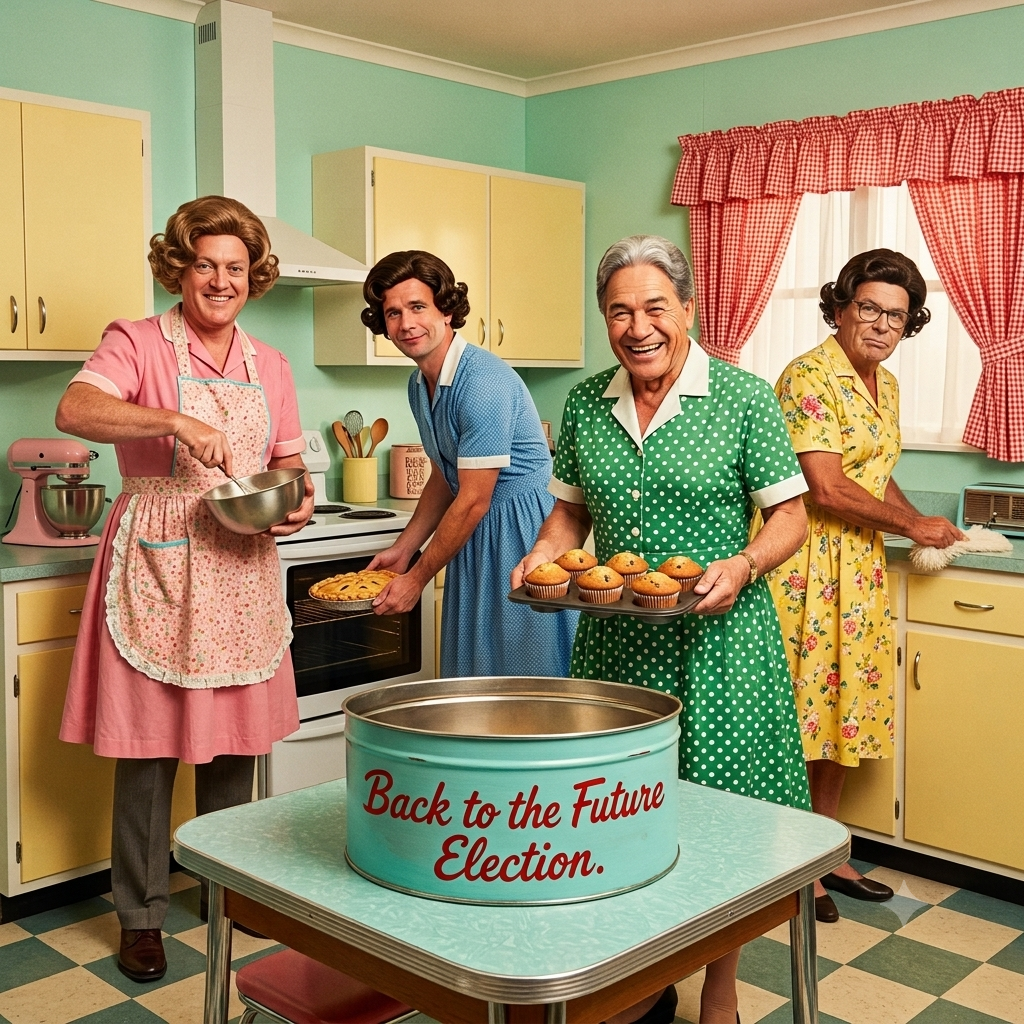
The back-to-the-future election
Why has the comfort of political and media survivors and rose-tinted nostalgia become such a powerful selling point in New Zealand politics right now? Between Winston Peters invoking a 1950s golden era and Paul Henry championing a 1960s aspirational vibe, the current campaign trail feels distinctly back-to-the-future.
Let's remember what that vibe rested on. A top marginal tax rate above 60 per cent, which funded many European New Zealanders into housing and professional education. A culture in which women were not expected to have separate ambition and could not take out a bank loan without a husband's signature. Māori relegated to low-wage manual work and shut out of the housing subsidies that built white urban wealth – on land confiscated, stolen, or bought at dirt cheap prices under legislation Māori never consented to.
The self-reliance Henry remembers so fondly was underwritten by a very large number of New Zealanders who were not permitted to be self-reliant.
Whatever Peters' and Henry's daughters and granddaughters have gained since, they owe it to the women's and Treaty rights movements of the 1970s, not to the political values of the decade both men want back.
But is that what’s really going on? Read about the three NZs on offer in this election here.
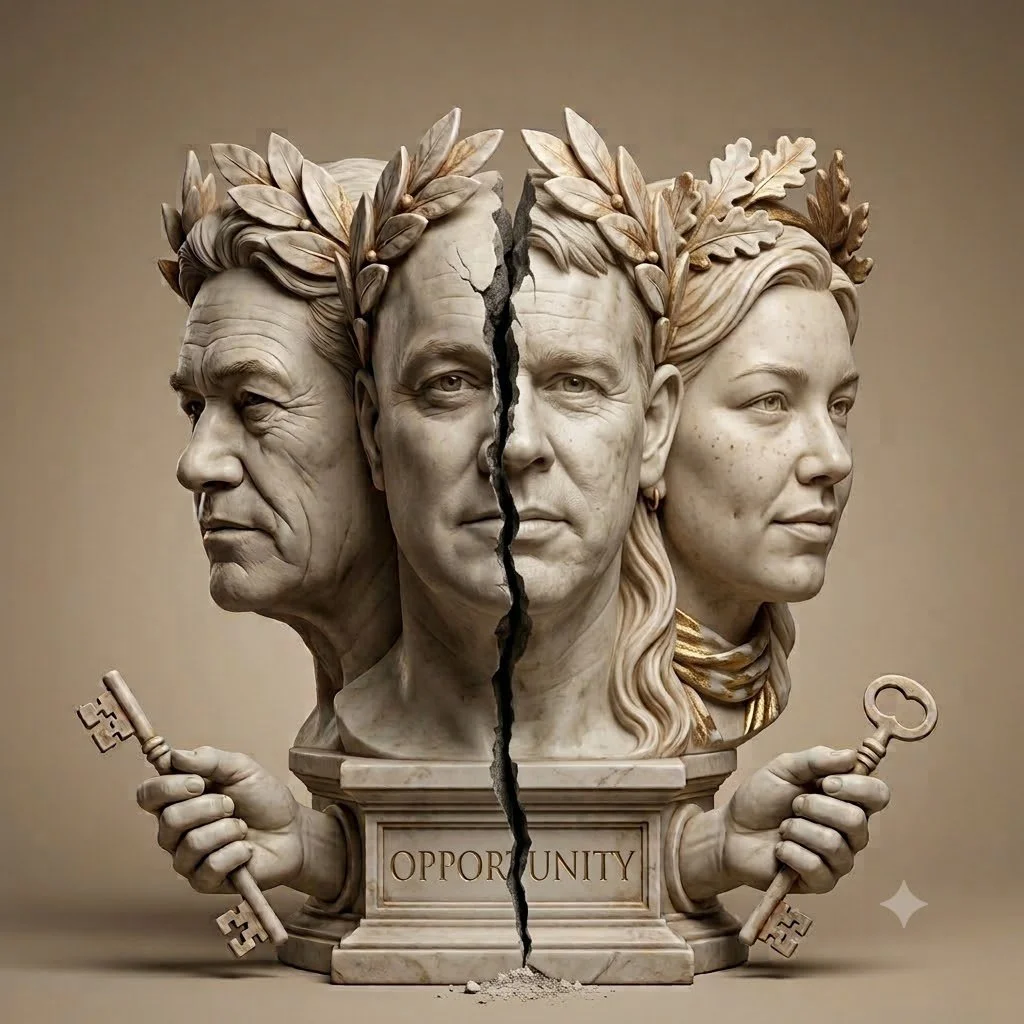
Opportunity Knocks: the 38% nobody is governing for
38 per cent of the electorate is currently telling pollsters they don't want what the two major parties are selling. This is a huge number. Aggregated, New Zealand's minor parties are regularly outpolling both National and Labour.
Many commentators are busy interrogating the Opportunity Party's land tax. Does it add up? What about the retired couple in the million-dollar villa? But Opportunity isn't the story. It's the symptom.
In this column I argue we're watching a structural shift, not a protest. The old left-right axis has stopped describing what voters are doing. The new divide is trifurcated into three distinct orientations: preservationist, incrementalist and transformationist.
The column looks at the three options the major parties have available to them if they don’t want to go the way of the major parties in the UK and Australia which are polling at under 50% combined.
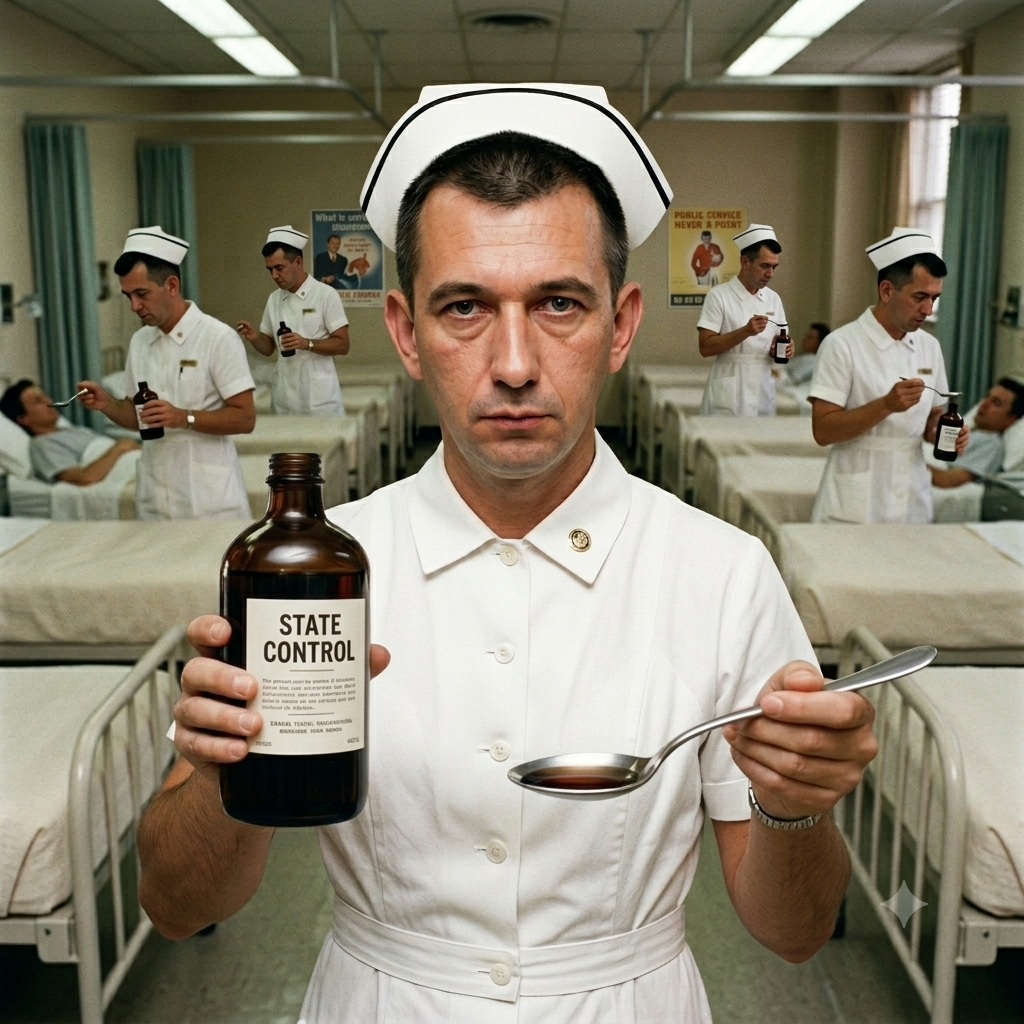
Simeon Brown’s Nanny State
RIP New Zealand’s small-state conservatism.
The political party that built its brand on free enterprise and resisting state overreach is now centralising control wherever it can.
Look closely at the intervention into independent regulatory boards. Small-state ideology seems to hold firm only while independent institutions agree with the government.
In 2008, National campaigned against the ‘Nanny State.’ In 2026, they are building their own – they’ve just rebranded it as ‘fixing the basics.’
By chasing headline-ready wins through heavy-handed ministerial intervention, the party has exposed its own hollow ideological core.
The Target Trap and Treaty Principles
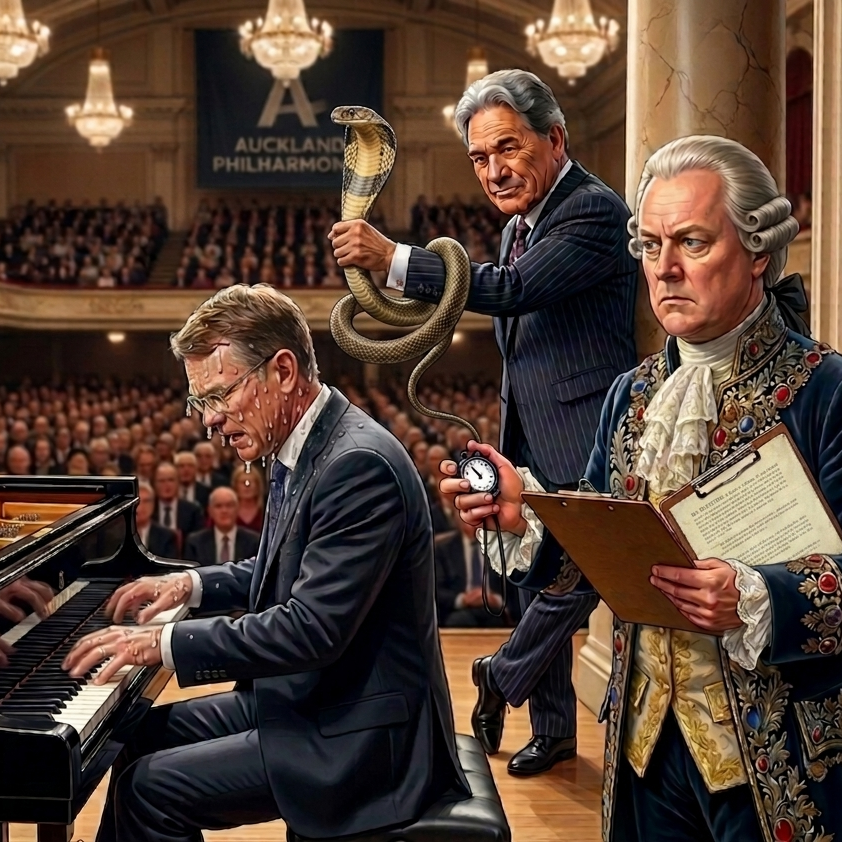
Minister of Justice Paul Goldsmith wrote to the Waitangi Tribunal last week telling them his Treaty principles reform decisions were ‘political in nature and a product of political process’. He seemed to be hoping the Tribunal might understand this as context for his hurried, flawed policy making process on what his government refers to as a Treaty matter.
But in their eagerness to please Winston Peters before the 2026 election, both Goldsmith and Chrisopher Luxon have fallen into the ‘target trap’.
The Treaty of Waitangi is an agreement between two parties – the Crown and Māori. The government does not own it. It is not a government document. The government cannot unilaterally rewrite how Parliament recognises it, on a timeline set by a coalition agreement, and then point to the select committee process as adequate consultation with the other signatory.
That this reform got as far as it did – against official advice, without meaningful Māori engagement, driven by an electoral deadline – is not primarily a story about Goldsmith's desire to meet a KPI. It is an indictment of New Zealand’s political system that in the absence of a formal constitution there is currently nothing a parliamentary majority cannot touch in this country – including the supposedly enduring Crown’s commitments in the Treaty.
The Waitangi Tribunal holds an urgent hearing this week. Read why it matters.
A new plan for Aotearoa: The speech Nicola Willis should have given
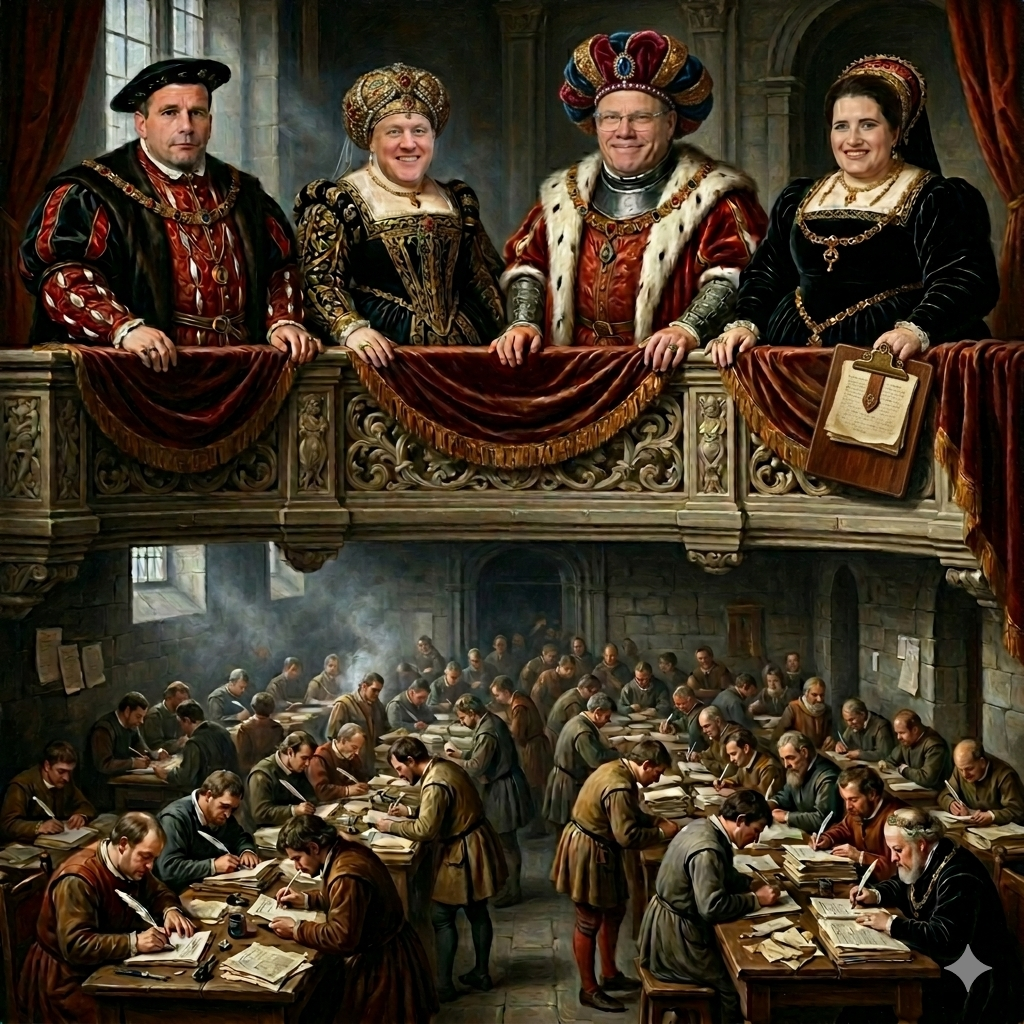
Last Tuesday’s public service announcement from the small court of Luxonia was one of the worst pieces of political communication I've read in a long time. It's hard not to think the National Party has a death wish. There are 63,000 core public servants, every one of them a voter. Not one of them heard anything last week that resembled excitement for what an AI-led public service could mean for every public servant and every New Zealander.
I've written the speech Nicola Willis should have given – honest about the fiscal challenge, accepting of responsibility for bloat, and with a realistic plan for transformation. Not a restructure imposed from above, but an invitation from beside.
Note, the initiatives in this speech are not current government policy. I’ve made them up. But they should be!
New Zealand’s public governance problem.
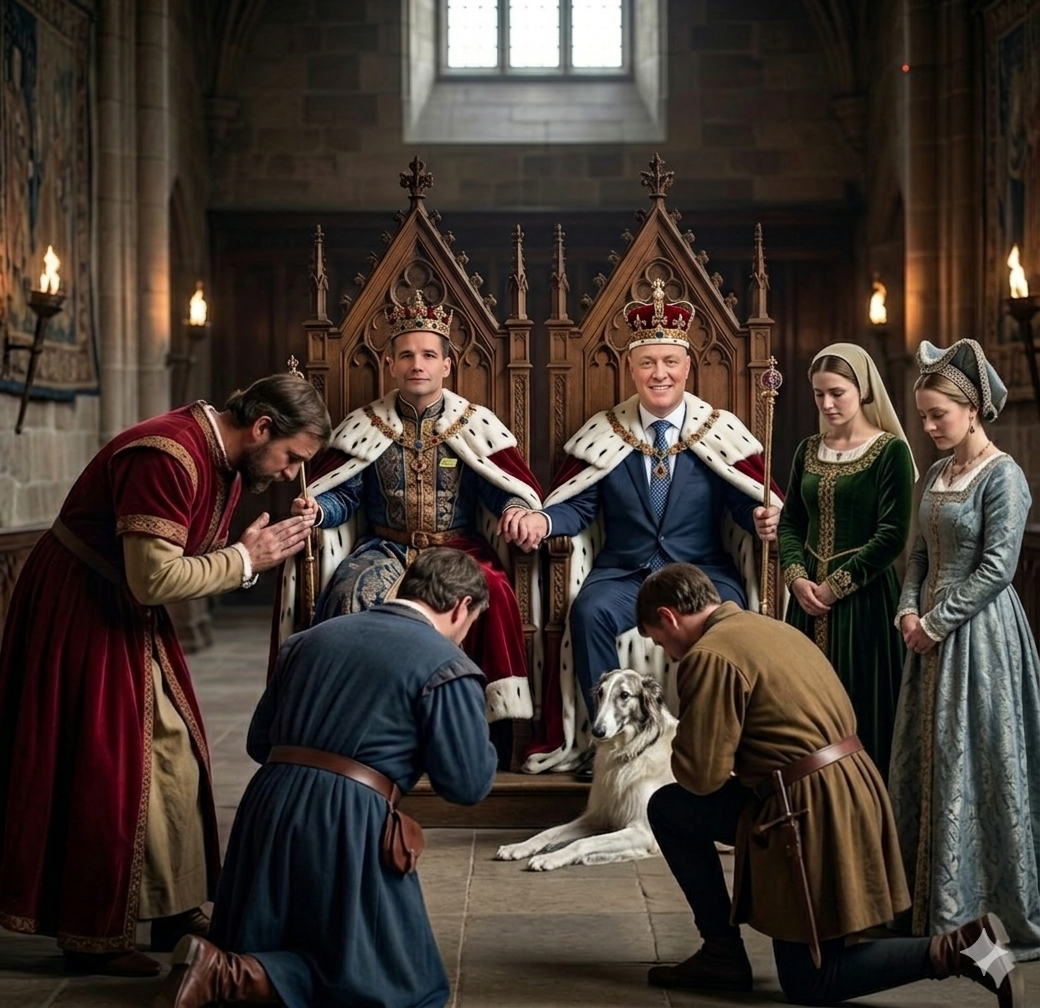
When David Seymour told The Platform that new board appointments would "turn over the management" of RNZ, he exposed a fiction at the heart of New Zealand's public governance model. Using statutory appointment powers to install politically friendly chairs and directors is how governments of all persuasions have historically influenced the strategic and operational direction of Crown entities. What Seymour was advocating is not uncommon. The problem was he said it live and kicked the government into potential breach of the law with his own goal.
But beneath the faux pas lies the more embarrassing truth that New Zealand does not operate as a constitutional democracy with robust checks and balances on the abuse of political power. It operates as a small court – where access, appointment, and protection flow from proximity to power, and where the rules hold only as long as the powerful find them convenient. In a political community this size, informality overwhelms transparency and patronage is normalised as governance.
Something has to change.
In the shadows of the Maiki Sherman story
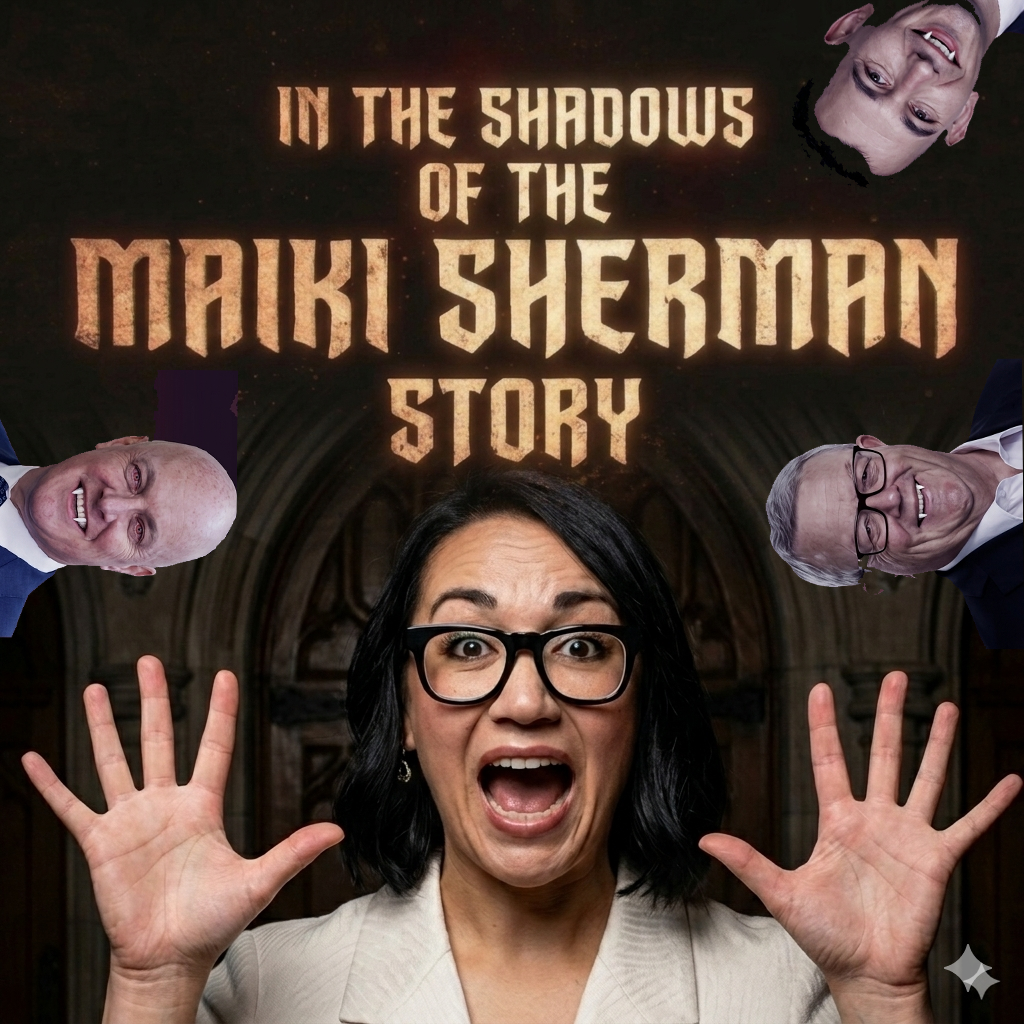
In New Zealand political commentary, there is often too much focus on the "door" – the immediate, surface-level event – and not enough on what is happening behind it.
The recent departure of Maiki Sherman from TVNZ is a classic example. While the public narrative centers on a specific event at a social function in 2025, the deeper story is far more concerning for the health of our democracy.
When political power can influence who gets suspended or whose employment becomes untenable, the news media is no longer truly free. The ultimate price is paid by voters, who remain in the dark about what the government does in the shadows.
Read the full analysis of why this case matters for every student of media and journalism here:
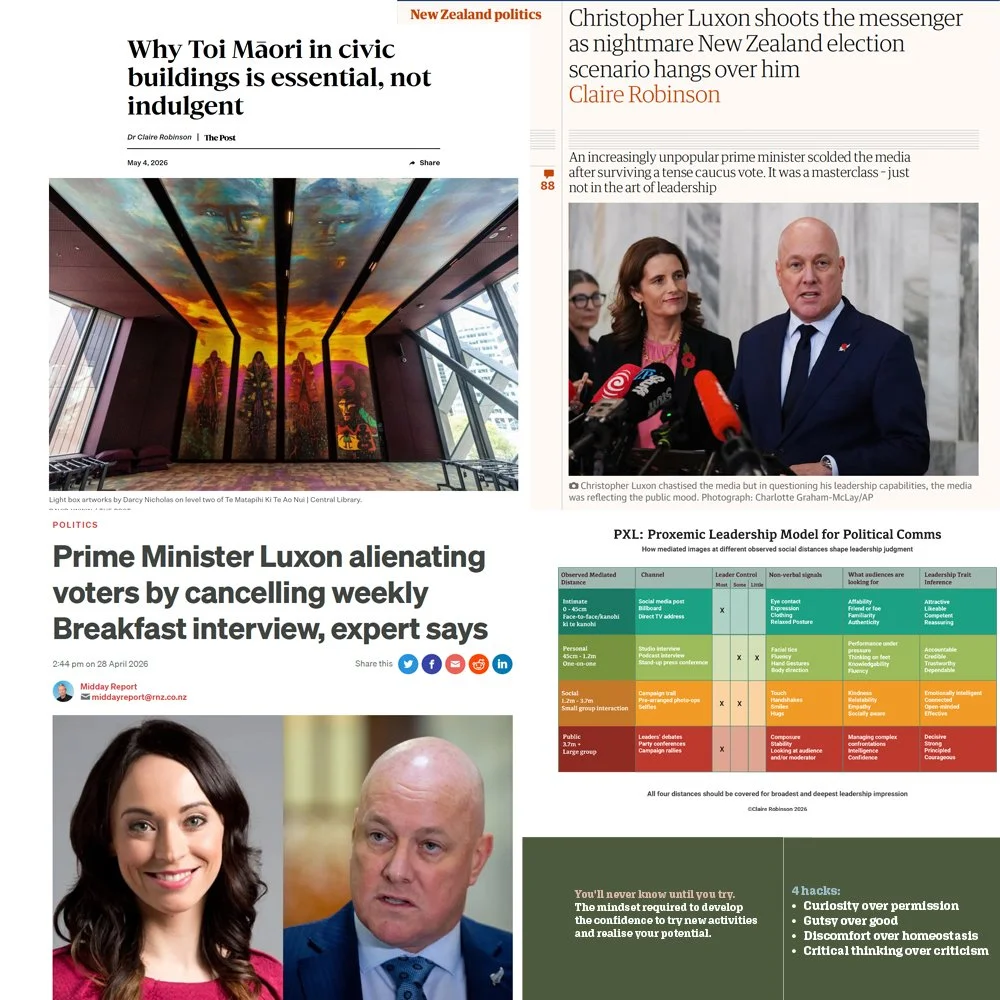
The common thread: what Luxon's media strategy and Toi Māori have to do with each other
It has been a busy fortnight – amongst other things a Guardian piece on Luxon's media strategy, an RNZ interview on his Breakfast withdrawal, and an opinion piece in The Post on Toi Māori in civic buildings. On the surface Luxon’s media strategy and Toi Māori/Māori art are different topics. But they share a single argument: a healthy democracy depends on politicians and public institutions being visibly accountable to the people they serve. When leaders choose only the interviewers they're comfortable with, they break the circuit between power and the public. When city councillors deny Māori art a role in civic spaces on spurious fiscal grounds, they make a political statement dressed up as a financial one – about whose culture and voice belongs in the commons and whose doesn't. Links to the media and the thread that pulls them together in this week’s column.

To Breakfast or not Breakfast
Christopher Luxon's decision to pull out of regular Monday morning TVNZ Breakfast appearances handed me the moment to update the proxemic leadership model (PXL) I first developed in 2011. The model is based on the social science of interpersonal distance — proxemics. It maps how audiences form judgments about political leaders from observed mediated images. Four proxemic zones. Four different kinds of impression. All of them are read together to form a whole leadership judgment and political leaders can't manage their way out of any of them. Read about the costs of avoidance, the TVNZ shareholder conflict of interest buried in this decision, and what John Key understood that Luxon apparently doesn't: in the game of leadership communication, you cannot build a relationship with voters you refuse to be seen by.
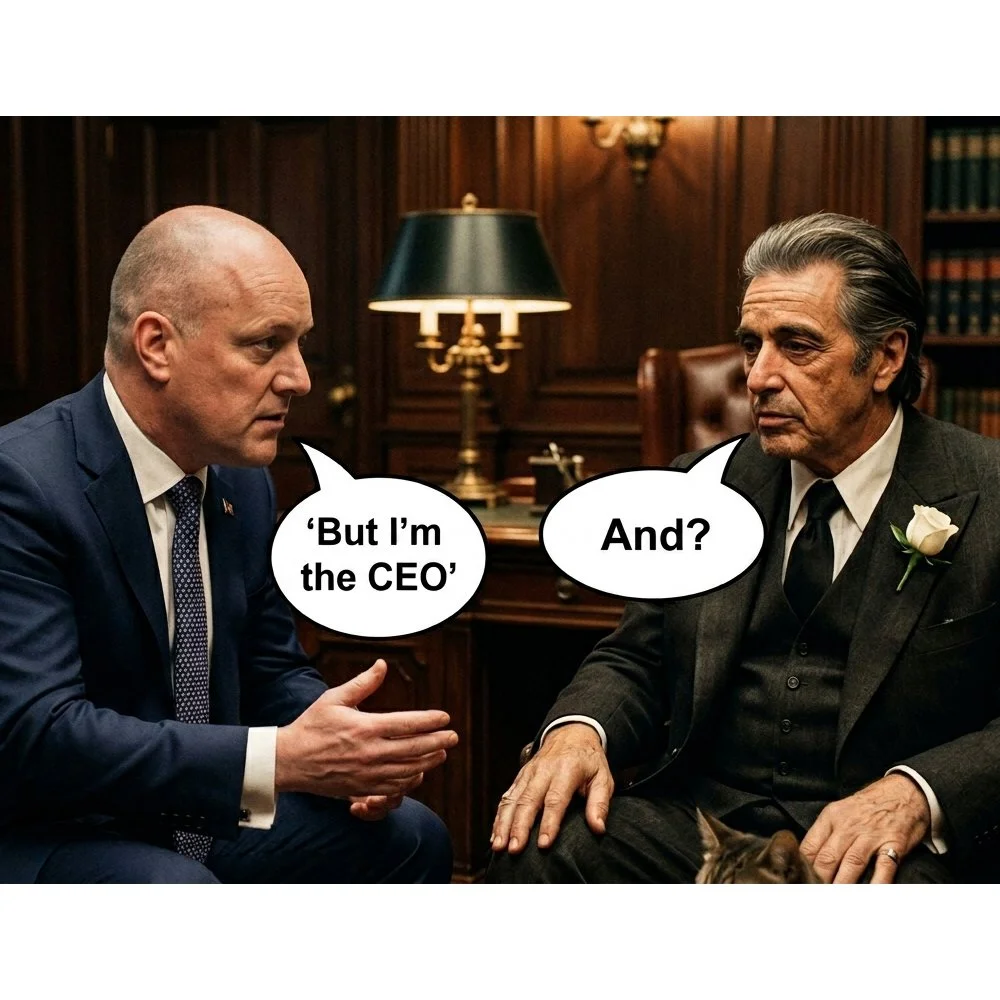
Shed the CEO. Become the Prime Minister.
‘My job is the CEO.’
No, Christopher. It isn't.
The job is Prime Minister. And those are not the same thing — not constitutionally, not democratically, and not in any way that matters to the 5.3 million people you're supposed to be leading.
A CEO answers upward, to a board. A Prime Minister answers outward and downward — to Parliament, to citizens, to the media.
Luxon has substituted one model for the other, seemingly to avoid being personally accountable. And voters, as both his client and his board have noticed.
This week’s column unpacks why this isn't just a comms problem — it's a constitutional one. And why, if he actually were a CEO and scoring 20.2% in his staff engagement surveys, his actual board would be asking serious questions about his competence to do the job.
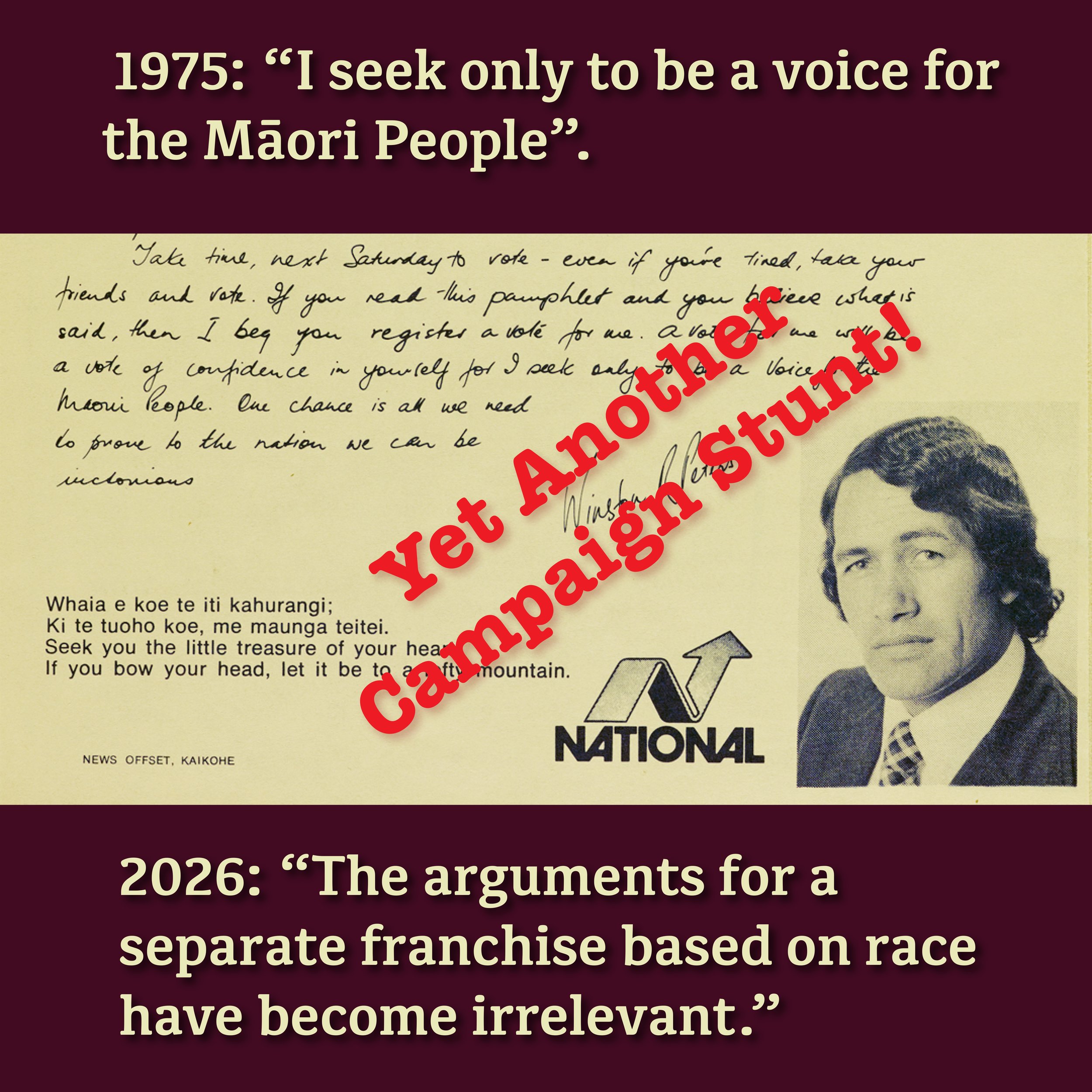
The Demographic Tsunami is coming. Parliament removes the Māori seats at its peril.
In 2025, for the first time in New Zealand's history, Pākehā/European school enrolments fell below 50%. It was over 90% in the 1960s. Meanwhile, Māori and Pacific babies now account for nearly half of all births in this country.
Despite this shift, we are seeing a revival of ‘paternalistic politics.’ From calls to abolish the Māori seats to using good behaviour as a metric for democratic representation, the gap between our aging political rhetoric and our future reality is widening.
The Māori seats aren't just a concession—they are the last vestige of dual sovereignty agreed in the Treaty and the only place where Māori representation isn't diluted by the All-NZ majority calculus.