Why ACT is in trouble
The man rarely looks stressed, but underneath his calm exterior ACT leader David Seymour will be anything but. His anxiety is well-founded. He will be aware that when push comes to shove, voters in the booth will realise that a protest vote for ACT is a luxury they can't afford in the tightest major party race in New Zealand's MMP history.
With National neck and neck with Labour in the polls, the reality for centre-right voters who want to return a National-led government is that they have to give National their party vote. If Labour gains the highest proportion of the major party vote because soft National voters have peeled off once again to ACT, it will be Labour, not National, in pole position to form the next government.
For current ACT voters, this election is no longer about voting in a right-wing out-rider to keep National from veering to the centre. If there is no National to lead a government, there is no government for ACT to steer right.
Chart 1 shows how counter-cyclical the ACT and National votes are. When the National vote is strong, the ACT vote is weak, and vice versa. When the outcome of a vote isn't material to an election outcome, ACT is where many disaffected National voters go to send a signal to National that it needs to pull its socks up.
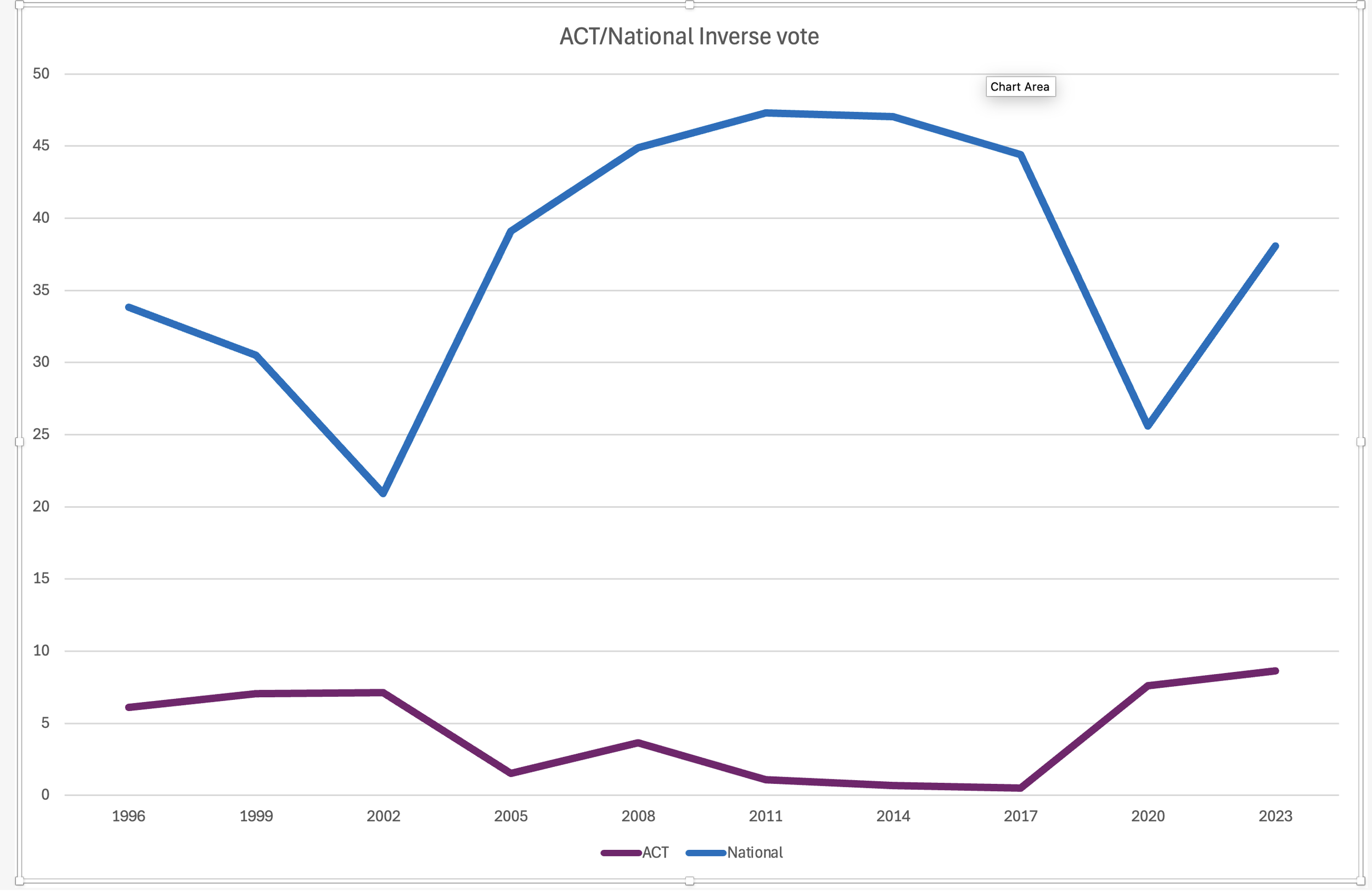
Chart 1 data source New Zealand Electoral Commission
Chart 2 shows the big leap in ACT's party vote in 2020. A weak and disorganised National, combined with David Seymour's high-profile stand on Covid restrictions, lifted ACT's opinion poll ratings quickly that year. It rose from 2.2 percent to 3.5 percent in May 2020 after Todd Muller replaced Simon Bridges as National leader. It climbed to 4.8 percent when Judith Collins replaced Muller in July, then leapt to 7 percent after Jacinda Ardern postponed the election in mid-August 2020 because of Covid. It held there once it was clear Labour was heading for a landslide, with National stuck in the late 20s and low 30s. The NZ Election Study found nearly two-thirds of ACT's 2020 party vote came directly from people who voted National in 2017.
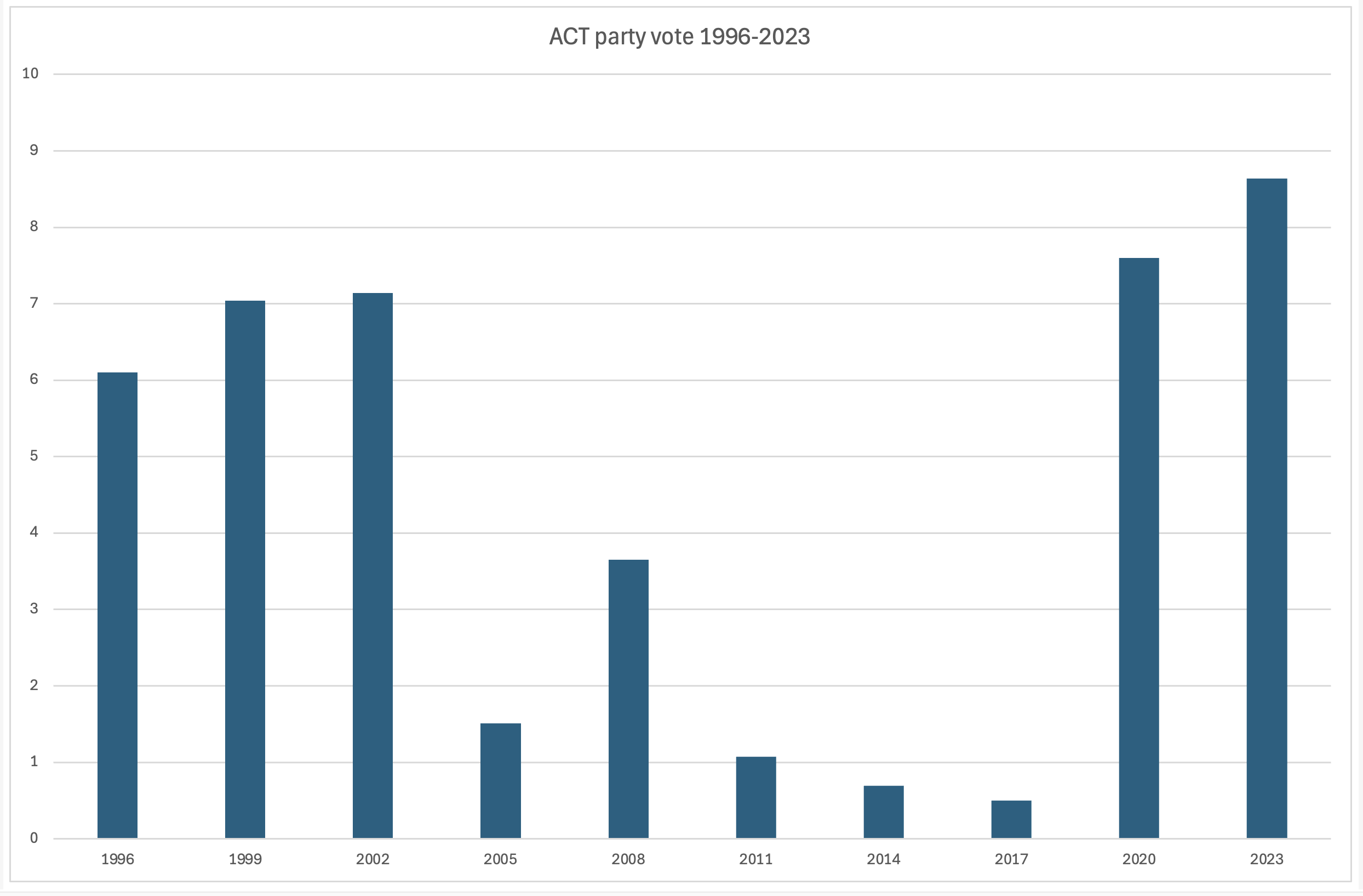
Chart 2 data source New Zealand Electoral Commission
In 2023, after yet another National leadership change (Collins to Luxon), ACT's vote stayed up. Seymour's popularity was cemented by his End of Life Choice Act coming into force in November 2021, his strong opposition to the Labour government's additional Auckland lockdown restrictions during the pandemic, and his adept use of social media to directly engage with his many followers.
But it wasn't a walk in the park. ACT's vote fell away by 3.62 percentage points as the 2023 election day approached and voters saw they had a real chance of supporting a National win. ACT went from polling 12.26% eight weeks out from election day to 8.64% on the day. Over that time, National's vote rose from 35.06% eight weeks out to 38.08% on election day, a 3.02 point rise.
A similar transfer could well happen again this year, only ACT will be falling from a lower base than in 2023. Its eight-week-out opinion poll average is 8.6%. A drop of similar percentage points to 2023 would see ACT's party vote fall to 5%, retaining six MPs, down from the current 11: David Seymour, Nicole McKee, Andrew Hoggard, Paul Henry, Karen Chhour, and Todd Stephenson. If it dropped to 4%, the party would remain in parliament because Seymour is likely to hold Epsom, but Stephenson is toast. At 3% there is no Henry or Chhour. This all puts ACT in a much weaker position when it comes to what it can extract as a concession for confidence and supply from any new National government.
ACT has dropped by a larger number before – when it fell from 7.14% party vote in 2002 to 1.51% in 2005. Which explains David Seymour’s return to culture war campaigning of late.
The retreat to Treaty-bagging
When ACT is at its most constructive, it is the party of economic deregulation and increased personal choice: red-tape reduction, faster regulatory approvals, increased property, education, gun, pharmaceutical, free-speech rights and consumer freedom – a forward-looking agenda that appeals to small business owners, farmers, and young male suburban professionals alike.
Yet as the polling tightens, that constructive deregulation platform is taking a back seat to an increasingly oppositional fixation on relitigating Te Tiriti o Waitangi – a retreat into grievance politics, not a new frontier of economic liberation. This negative campaigning has historically earned ACT around one percentage point of party vote, and currently ACT needs every point on offer. But that one point comes at a price. Every week spent complaining about the Treaty is a week not spent selling deregulation, and ACT does not have weeks to spare.
ACT's potential implosion is not a story making headline news, but it is very real.
Relying on the overhang
It’s worth turning here to an argument doing the rounds with centre-right voters – that they should do what the numbers above suggest they shouldn't, which is give their party vote to ACT or New Zealand First rather than National. "A Party vote for National in THIS election would be utter stupidity and an act of self sabotage," wrote conservative media commentator Ashley Church recently, calling on voters to split their two votes – electorate to the local National candidate, party vote to ACT or NZ First.
The case rests on an overhang. Under MMP, a party's list MPs only fill the gap between its electorate wins and its party-vote entitlement. But if a party wins more electorates than its party vote entitles it to – as Te Pāti Māori has in the past – those extra electorate MPs still go to Parliament, creating an overhang that grows the number of seats in the House rather than displacing anyone.
Church argues National, despite a depressed party vote, still holds enough electorates on local strength that it could produce an overhang of its own for the first time. If so, a party vote for National becomes wasted, while a party vote for ACT or NZ First converts directly into additional list seats and the centre-right bloc ends up numerically larger than a straight National-National vote would deliver.
I understand the tactical thinking. But it has major flaws.
First, this is not what National is asking for. National is asking for as many party votes as possible to keep a strong National at the helm of any new centre-right government.
Second, it asks for a level of coordination New Zealand has never seen under MMP. It is expecting close to a million National voters – most or all of the party's entire 2023 party vote – to independently, without central direction, abandon the very ballot National's own campaign machine is asking them to fill in. Where tactical voting has worked before, in Epsom, in Ōhāriu, on the Māori roll, it's because it involved a handful of seats and a single, clear message from the party itself. This is asking the opposite. Mass, self-organised defiance of National's own instructions, spread across every electorate in the country.
Third, even if it worked, it would be self-defeating. National is polling low largely because its 2023 coalition agreement gave too much ground to ACT and NZ First – on policy, on Cabinet seats, on the legislative agenda – and National has copped the blame for it. Under the overhang idea, National would emerge with fewer list MPs and even less leverage in the next coalition negotiation than it has now. The very thing voters are already uneasy about – a National-led government that doesn't feel very National-led – is exactly what this strategy manufactures! It would likely be the end of the National Party.
I return to what I wrote last week. Don’t be distracted by the polls. Don’t make your choice based on what you think a million other National voters will do.
If you’re a centre right voter and want a strong National-led government where the tail doesn’t wag the dog as much as it has in the last three years, party vote National. If you want a libertarian voice in Parliament regardless of who forms the next government, party vote ACT. It’s not that complicated.
Last week’s column contains advice on voting for the other parties: www.clairerobinson.nz/blogs/my-advice-to-a-strategic-voter-is-dont
And while you’re here, if you haven’t already done so, sign up to receive advance notice of my new columns coming out. It won’t cost you a cent!