My advice to a strategic voter is – don't.
New Zealand voters tend to split into two main groups. Early deciders, who settle on their voting choice well before the election campaign starts, make up around 60% of the electorate. They are largely habitual. Roughly 80% back a major party, 20% a minor one, and their primary reference point is whether they judge the economy to be improving or worsening. A negative economic outlook moves them between major parties; a positive one keeps them where they are (see Chart 1).
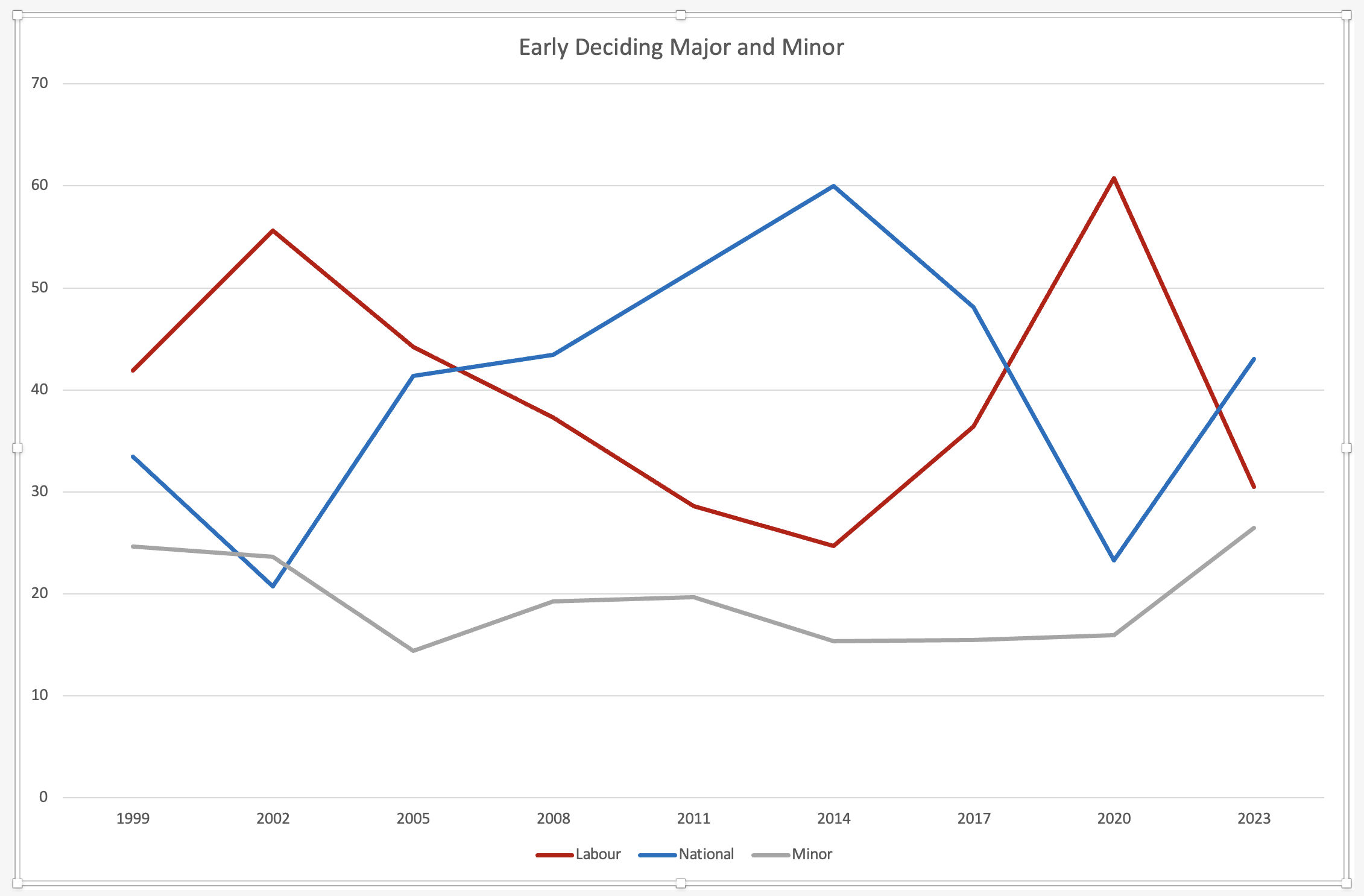
Chart 1: Data source New Zealand Election Study
Then there are late deciders – the remaining 40%, who hold off making a choice until the election campaign is underway. While they still lean toward a major party on average (63.2%), the minor-party share among them is significantly higher than among early deciders – around 36.8% (see Chart 2).
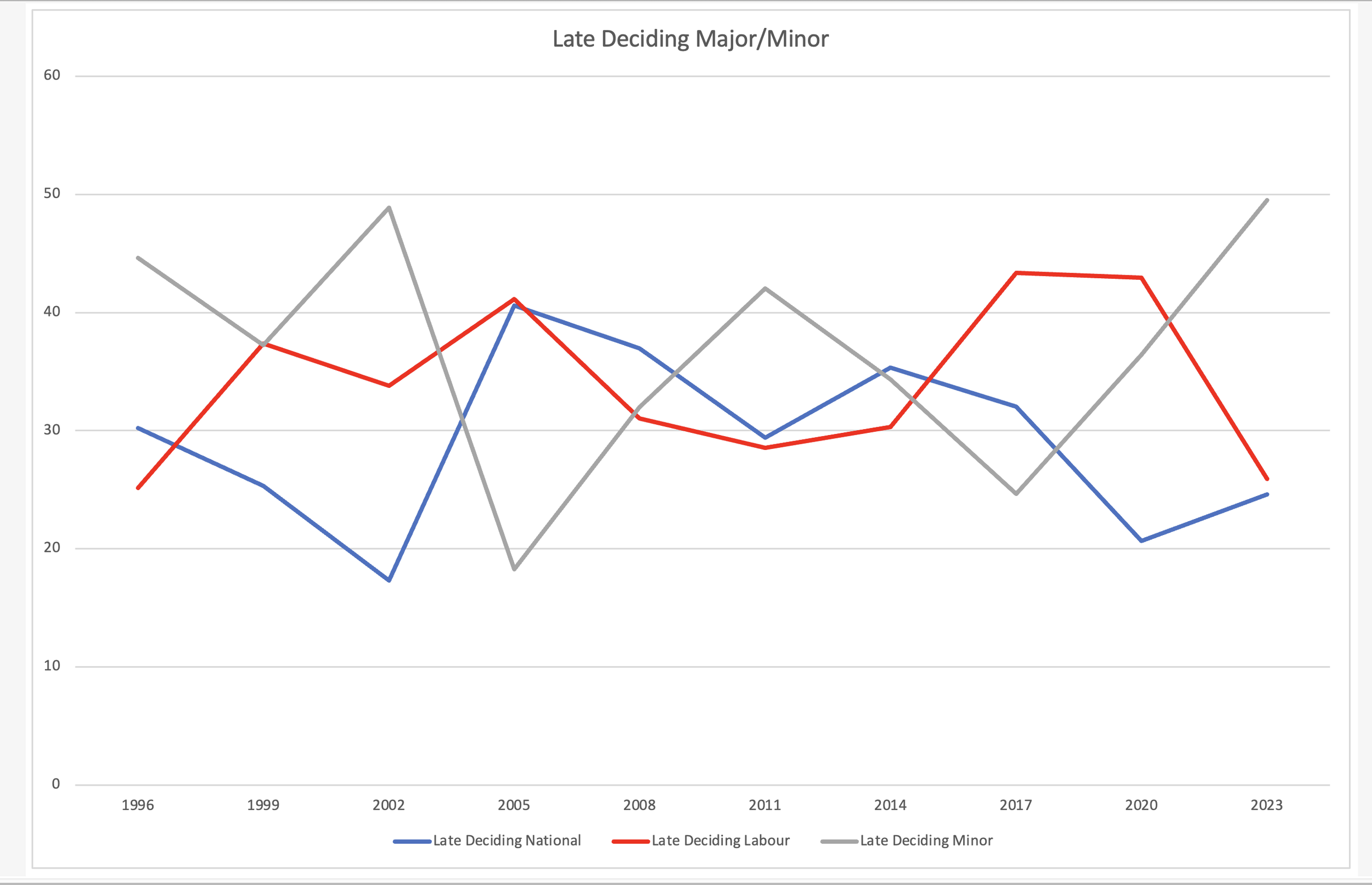
Chart 2: Data source New Zealand Election Study
Most late deciders firm up their choice in the ten-to-six-week window before polling day. That window is right now.
They wait until now because they want to gather as much information as possible – from polls, coalition speculation, and leadership performance – to infer how the rest of the electorate is moving and which government their own vote might help produce.
This is the essence of strategic voting: a choice shaped by a forecast of everyone else's behaviour.
Having studied these voters for almost two decades, I have found three competitive scenarios that drive the greatest strategic voting effects:
In elections which the polls show to be close, more late deciders feel pivotal to the outcome and return to their traditional major party, causing the minor-party share among them to drop.
Where the polls show a change of government to be on the cards, late deciders leaning toward the challenger major party feel pivotal to delivering that change and vote accordingly. Meanwhile, sensing the government is lost anyway, deciders on the incumbent's side are more likely to cast a protest vote for a minor party than stay loyal.
Where the polls suggest the incumbent looks safe, some late deciding major-party loyalists stay put, but others – no longer feeling pivotal – use the opportunity to cast an expressive vote elsewhere, as do supporters of the major party clearly out of contention.
All three patterns assume late-deciding voters have a reasonably confident understanding of where the contest stands and what other voters are planning to do. But in this election, the polls support two entirely different readings. Which one a late-deciding voter believes changes everything about how they vote.
The first reading treats this as a genuinely close contest between National and Labour. Both are well down on their historic vote share but sitting within a point of each other on average, and Opportunity's presence means the final configuration remains unsettled. Under this reading, late deciders on both sides feel pivotal, causing the major-party vote to firm up while the minor-party vote drains away, including Opportunity’s.
The second reading has the National-led coalition holding comfortably enough support to lead the next government again, provided Opportunity does not cross the 5% threshold. Here, National's own vote holds roughly steady, but soft National voters peel off to ACT and NZ First in protest at economic performance. Meanwhile, Labour's vote softens and left-leaning voters spread themselves between the Greens and Opportunity.
While both scenarios are consistent with current polling averages, a strategic voter trying to decide which outcome they can influence faces a fundamental paradox. The more reliant they are on the polls for guidance, the less reliable those polls become. The polls no longer represent the outcome voters desire, but what they think others’ desire. Not only that, but in a tight race standard sampling variation is enough to flip which scenario the numbers appear to support.
Consider the margin of error, which rarely gets fully explained on the news. Media outlets will note that a poll of 800 to 1,000 people carries a margin of error of around 3.1%. What they rarely highlight is that this figure runs in both directions. The true result could sit anywhere within a six-point band – three points above or three points below.
It helps to remember what a poll actually is. It isn't a public service – it's a commercial product, commissioned by a media outlet to generate a story. This doesn't mean pollsters are lying. Their methodology is generally sound and the numbers aren’t made up. But a poll's job is to produce a headline, not to create good government. A headline that read "our poll could be out by six points" wouldn't get clicks, and so doesn't get written.
The margin of error matters greatly for Opportunity. Some recent polls put it just over the 5% threshold, others just below. Anyone deciding whether to vote Opportunity based on those numbers should, ironically, place no weight on them at all. The entire gap between those outcomes sits inside the margin of error.
The same problem shapes the contest between the major parties. Six polls since the start of August have ranged Labour's vote between 24% and 34% – a mean of 29% and a median of 28.9%. National's numbers over the same period average 29.7%, with a median of 29.1%. Irrespective of individual polls, the underlying contest remains exceptionally close between the major parties. A late decider who reads a single low poll, concludes Labour is toast, and switches to a minor party is misreading the data, and doing their preferred outcome a disservice in the process.
The same caution applies to National’s vote. The coalition's majority is currently reported anywhere from comfortable to a single seat depending on which poll someone pays attention to. A right leaning late decider who assumes a single bad poll means Opportunity crossing the threshold will leave National unable to govern – and shifts their vote to a minor party on that basis – is also making a tactical error which could cost National the next government.
What does this mean for anyone trying to vote strategically?
When a 3.1% margin of error creates a 6-point margin of reality, trying to calculate tactical moves around the 5% threshold or coalition majorities is nothing more than a game of chance. Is that really how we want our governments to be formed?
My advice to a strategic voter in this election is – don't vote strategically. The data you would need to do so responsibly does not exist in a form you can trust.
This means your decision comes down to good old-fashioned analogue criteria:
If you want a National-led government where the tail doesn't wag the dog as much as it has in the last three years, party vote National.
If you want a change of government, party vote Labour.
If you want a strong green, libertarian, or nationalist voice in Parliament regardless of who forms the next government, party vote Green, ACT, or NZ First.
If you want a strong, independent Māori voice in the House, party vote for an independent Māori candidate or Te Pāti Māori.
If you don't care who governs but want a new voice to shake up the debate over the next three years, party vote Opportunity.
You don't need a pollster to tell you how to cast a pivotal vote. You just need to know what you want. It’s not that complicated.